
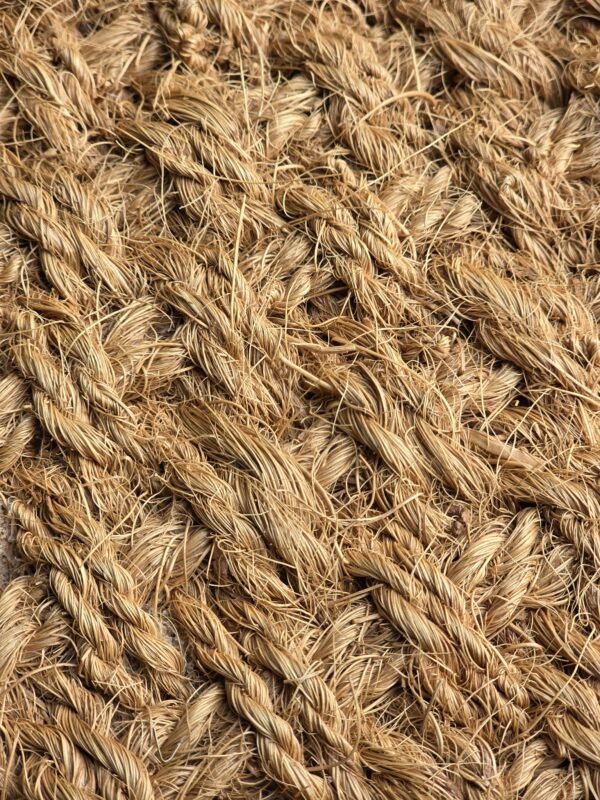
Exploring the Versatility of Jute Yarn
Jute yarn, often celebrated for its natural appeal and strength, is a material that has been woven into the fabric of daily life in many parts of the world. Known for its versatility, jute yarn can be used in a variety of applications, from functional to decorative. This article will delve into the multifaceted uses of jute yarn, exploring how this eco-friendly fiber is making waves in various industries.
Jute yarn is derived from the jute plant, which is primarily grown in regions of India and Bangladesh. It is spun from the jute fibers that are extracted from the stem of the plant. The resulting yarn is known for its soft yet durable texture, making it an ideal choice for numerous applications.

Uses of Jute Rope
Jute rope is one of the most common forms of jute yarn, prized for its strength and natural look. It is often used in gardening and agriculture to tie plants and secure structures. The robustness of jute rope makes it a reliable choice for these tasks, while its biodegradable nature ensures it aligns with sustainable practices.
In home décor, jute rope is used to create rustic, nautical, or bohemian styles. From lamp shades to plant hangers, the applications are limitless. Its ability to blend with other materials such as wood and metal enhances its adaptability in design.
Applications of Jute Twine
Jute twine, a thinner form of jute yarn, is equally versatile. It is commonly used in crafting and packaging due to its aesthetic appeal and eco-friendly properties. Crafters often choose jute twine for projects that require a natural and earthy touch, such as scrapbooking or gift wrapping.
In the world of gardening, jute twine is a go-to for supporting plants without causing harm, as it gently cradles stems and branches. Additionally, its ability to decompose makes it a favorable option for those looking to reduce plastic use in their gardens.

The Role of Jute Fiber
Jute fiber is the raw material from which jute yarn is made, and it holds significant importance in the textile industry. Beyond yarn production, jute fibers are used to create hessian or burlap cloth, which is a staple in packaging, upholstery, and crafts. The breathable nature of hessian makes it ideal for storing food products such as grains and potatoes, ensuring longevity and freshness.
Moreover, jute fibers are being increasingly used in the fashion industry, where their natural texture and eco-friendly status are highly valued. From bags to footwear, jute fibers are paving the way for sustainable fashion solutions. For additional insight into sustainable jute textiles, you can explore resources from the Food and Agriculture Organization (FAO).
Conclusion
Jute yarn, whether in the form of rope, twine, or raw fiber, offers a multitude of applications that highlight its versatility and sustainability. Its role in promoting eco-friendly practices while providing functional and aesthetic solutions makes it an invaluable resource. As industries continue to seek sustainable materials, the demand for jute yarn is likely to grow, reinforcing its place as a staple in both traditional and modern applications.
Explore the many ways jute yarn can enhance your projects and contribute to a more sustainable future.
For more background on jute cultivation and global production, see additional resources such as the jute overview on Wikipedia and the FAO’s jute information page.
If you would like to learn more about our work with natural fibers or have any questions, please visit our
About Us page or our
Contact page.

 English
  Spanish
  German
  French
  Dutch
Dutch  Portuguese
  Italian
  Chinese
  Japanese
  Bengali
  Swedish
  Russian