
原麻 · 采购指南
孟加拉国黄麻收获季节:
何时发生以及对全球买家意味着什么
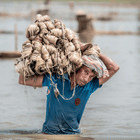
在孟加拉国法里德布尔地区,工人们正在收割成熟的黄麻植株——该地区是孟加拉国主要的黄麻产区之一。 孟加拉国黄麻收割季节 活动时间从7月持续到10月。
孟加拉国何时收割黄麻?
这 孟加拉国黄麻收割季节 主要运行于 七月至十月 每年,黄麻的收获高峰期集中在八月和九月。这一时间安排取决于季风历:黄麻种子在三月至五月间播种,植株在六月和七月的雨季生长,待植株完全成熟后开始收获——通常托萨品种在播种后100至120天成熟,白麻则稍长一些。
了解孟加拉国黄麻的收割时间 这一点至关重要,因为它直接影响新季黄麻纤维的供应量、纤维的质量和长度,以及收获后几个月内黄麻原麻价格的走势。在8月和9月成熟度最佳时收获的新季托萨黄麻,与晚季或过度储存的库存相比,始终具有更优异的纤维长度、光泽度和抗拉强度。买家下单时会考虑这一点。 来自孟加拉国的原麻 10 月至 12 月期间,人们通常可以获得一年中质量最高、最新鲜的纤维。
生长
收成
矫直和打包
Biz Njp全年都在我们位于达卡的工厂生产。请联系我们咨询供货情况、等级和价格。
孟加拉国黄麻作物种植日历详解
这 孟加拉国黄麻季作物 follows a well-established agricultural calendar shaped by the subcontinent’s monsoon pattern. Here is a step-by-step breakdown of each phase and what happens to the fibre at each stage — knowledge that gives sourcing managers a clearer picture of why timing matters when they buy jute from Bangladesh.
Primary Jute-Growing Districts in Bangladesh
这 孟加拉国黄麻季作物 is concentrated in a specific belt of districts in the country’s central and northern regions — all within the fertile Ganges-Brahmaputra-Meghna floodplain. Fibre quality varies meaningfully between districts, with the most prized Tossa B and Superior grades predominantly sourced from Faridpur, Jessore and Tangail.
How the Jute Harvest Season Affects Raw Jute Prices
For any buyer looking to buy jute from Bangladesh — whether raw fibre, spun yarn, hessian cloth or finished jute bags — understanding how the harvest calendar influences pricing is one of the most valuable pieces of commercial knowledge you can have. Raw jute prices in Bangladesh follow a broadly predictable seasonal pattern, though they are modulated by crop size, rainfall variability, government minimum support price policy and global demand fluctuations.
| Period | Price Trend | Supply Condition | Buyer Strategy |
|---|---|---|---|
| Mar – Jun (Pre-harvest) | Elevated / Rising | Carryover stock depleting; new crop not yet available | Lock in forward contracts if possible; avoid spot buying |
| Jul – Aug (Early harvest) | Softening | Early-cut fibre entering market; volume limited | Monitor crop reports; begin price discussions with mills |
| Sep – Oct (Peak harvest) | Lowest of year | Maximum new-crop supply; best fibre quality available | Optimal window to buy raw jute from Bangladesh in volume |
| Nov – Jan (Post-harvest) | Stabilising / Rising | Good supply of graded bales; mills building inventory | Strong buying window before pre-harvest premium returns |
| Feb (Late season) | Rising | Stock tightening; next crop 4+ months away | Secure forward contracts or accept premium on spot lots |
Biz Njp accepts forward orders. Contact us to discuss pricing, grade availability and shipping schedule.
What the Harvest Season Means for Finished Jute Products
这 孟加拉国黄麻收割季节 does not only affect buyers of raw fibre — it flows through the entire jute supply chain and has a measurable impact on the pricing and lead times for finished jute goods including yarn, hessian cloth, jute bags, jute sacks, FIBC liners and geo-textiles. Understanding this chain helps buyers of finished products plan their procurement calendar more effectively.
- Jute Yarn Pricing (October – December): New-crop fibre reaching mills in October triggers a lag of approximately 4–6 weeks before yarn pricing reflects the new input cost. Buyers of jute yarn from Bangladesh who negotiate and confirm orders in late October typically benefit from the seasonal softening in raw material cost before yarn prices re-stabilise.
- Hessian Cloth and Sacking Lead Times: The post-harvest production surge at Bangladesh’s jute mills means that October through December is the highest-output period for woven hessian and sacking cloth. Mill capacity is fuller but lead times are typically predictable and on-schedule — unlike the pre-harvest period when input stock variability can cause production disruptions.
- Jute Bags and Packaging Products: For buyers of finished jute packaging — shopping bags, sacks, wine bags, bottle carriers — and related products such as BOPP laminated woven sacks — the seasonal raw material cycle translates into a pricing advantage of approximately 6–10% for orders placed in Q4 versus Q2. At Biz Njp, we stock significant quantities of new-crop fabric across seasons to insulate our finished goods customers from the most extreme seasonal price swings.
- Fibre Grade Availability: Superior (SG) and Best (B) grade Tossa fibre is most freely available in the first 8 weeks after harvest — broadly October and November. Buyers requiring these premium grades for fine-count yarn or food-grade liner applications should prioritise Q4 purchasing or make advance arrangements with their Bangladesh supplier.
- Organic and Certified Jute: GOTS-certified organic jute is grown on a smaller acreage within the main harvest calendar. New-crop certified fibre is typically available from November — buyers should confirm certification lot availability with their mill well in advance of the season, as certified volumes are limited and allocated early.
Climate Variability and Its Impact on the Bangladesh Jute Harvest
No guide to the 孟加拉国黄麻收割季节 would be complete without addressing the growing impact of climate variability on crop output and quality. Bangladesh is among the world’s most climate-vulnerable countries, and the jute growing season is increasingly susceptible to weather-related disruption that can affect both crop volume and fibre quality in ways that directly impact global buyers.
- Prolonged dry spells during the growing phase (May–July) force farmers to rely on irrigation, increasing production costs and reducing crop competitiveness. In 2025, Faridpur district — Bangladesh’s largest jute-producing region — reported irrigation costs surging by over 30% due to a prolonged dry spell and a falling groundwater table, squeezing farmer margins and contributing to price pressure on new-crop fibre.
- Excessive monsoon flooding during the harvest window can submerge standing crops before cutting, causing significant fibre quality loss. Flood-damaged jute plants produce fibre with abnormally high root content, dull colour and reduced tensile strength — which cascades into grade downgrades at the baling stage.
- Retting water quality is affected by flood timing: excessive rainfall can dilute retting ponds and rivers, extending retting duration and increasing the risk of over-retting, which weakens fibre structure and reduces yarn spinning efficiency.
- Early-season drought followed by late-season flooding — an increasingly common pattern under Bangladesh’s changing climate — produces the worst outcomes for fibre quality and buyer supply predictability. Buyers sourcing 来自孟加拉国的原麻 should monitor pre-harvest crop reports and build buffer stock accordingly.
Working with an established, vertically integrated jute supplier in Bangladesh like Biz Njp mitigates much of this risk. Our 质量控制标准 ensure that every bale we supply is moisture-tested, grade-verified and documented before leaving our Dhaka facility. We maintain covered bale storage with capacity to hold multi-season stock, source across multiple growing districts to average out local weather impacts, and provide advance notice to export customers when seasonal crop conditions are likely to affect pricing or grade availability. 联系我们的团队 to discuss how we manage seasonal supply risk for your specific product requirements.
Year-Round Supply · Biz Njp
How Biz Njp Ensures Consistent Supply Across the Jute Season
Many buyers discover — too late — that their Bangladesh jute supplier is a broker who purchases on the spot market and cannot guarantee availability or grade consistency outside the peak harvest window. Biz Njp operates its own jute spinning mill in Dhaka and purchases and stores new-crop raw jute fibre in volume each harvest season, ensuring that our export customers receive consistent grade quality and competitive pricing whether they are ordering in October or the following June. Our storage capacity, direct farmer and aggregator relationships in primary growing districts, and 30+ years of seasonal purchasing experience make us one of the most reliable jute suppliers in Bangladesh for year-round industrial buyers.
When Should You Place Your Order to Buy Jute from Bangladesh?
Based on over three decades of operating within the Bangladesh jute harvest season, Biz Njp recommends the following ordering windows for different buyer profiles. These are general guidelines — specific grade availability and pricing should always be confirmed directly with our team.
- New-crop raw fibre buyers (October – November): This is the optimal window to buy raw jute from Bangladesh at the intersection of peak quality and post-harvest price moderation. Superior and Best grade Tossa is freely available. Moisture and oil content are at their most consistent for the year.
- Jute yarn buyers (November – December): New-crop fibre reaches mills from late October. Yarn pricing reflecting the new input cost becomes available from November. Buyers negotiating annual supply agreements should initiate conversations in October for November–December price confirmation.
- Finished jute goods buyers (Q4 any year): Orders for jute bags, hessian sacks, woven cloth and consumer jute products placed in October to December benefit from new-crop fabric input pricing and are typically produced in the peak-output months of November to February — meaning strong lead time adherence.
- Forward contract buyers (August – September, pre-harvest): Sophisticated buyers willing to commit volume before the harvest is graded can negotiate pre-harvest forward contracts in August and September. This carries some grade and volume risk but offers the opportunity to lock in pricing at or near seasonal lows — particularly attractive in years where the crop is forecast to be smaller than average.
Our team advises on timing, grade, volume and shipping. No obligation — response within 24 hours.
Get a Custom Quote · 24-Hour Response
Source Raw Jute and Jute Products Direct from Our Bangladesh Mill
Biz Njp operates a vertically integrated jute production facility in Dhaka, Bangladesh — sourcing raw jute fibre direct from primary growing districts each harvest season and supplying raw jute, jute yarn, hessian cloth, jute sacks and custom jute packaging 我们全年为欧洲和北美的工业买家供货。如需获取您所需等级、数量和目的地的最新报价,请通过我们的联系页面提交您的需求。我们将在 24 小时内回复您,并提供完整的 FOB 或 CIF 报价。

 English
  Spanish
  German
  French
  Dutch
Dutch  Portuguese
  Italian
  Chinese
  Japanese
  Bengali
  Swedish
  Russian