
কাঁচা পাট · উৎস নির্দেশিকা
বাংলাদেশে পাট কাটার মৌসুম:
কখন এটি ঘটে এবং বিশ্বব্যাপী ক্রেতাদের জন্য এর অর্থ কী
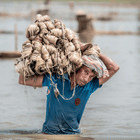
বাংলাদেশের অন্যতম প্রধান পাট উৎপাদনকারী অঞ্চল ফরিদপুর জেলায় শ্রমিকরা পরিপক্ক পাট গাছ কাটছেন। বাংলাদেশে পাট কাটার মৌসুম জুলাই থেকে অক্টোবর পর্যন্ত চলে।
বাংলাদেশে কখন পাট কাটা হয়?
দ্য বাংলাদেশে পাট কাটার মৌসুম মূলত চলে জুলাই থেকে অক্টোবর পর্যন্ত প্রতি বছর, আগস্ট ও সেপ্টেম্বর মাসে ফসল তোলার ভরা মৌসুম থাকে। এই সময়টি বর্ষা পঞ্জিকা দ্বারা নির্ধারিত হয়: মার্চ থেকে মে মাসের মধ্যে পাটের বীজ বপন করা হয়, জুন ও জুলাই মাসের বর্ষার দিনগুলোতে গাছগুলো বাড়তে থাকে এবং গাছ পূর্ণ পরিপক্কতায় পৌঁছালে ফসল তোলা শুরু হয় — সাধারণত তোষা জাতের পাটের ক্ষেত্রে বীজ বপনের ১০০ থেকে ১২০ দিন পর এবং সাদা পাটের ক্ষেত্রে তার চেয়ে কিছুটা বেশি সময় লাগে।
বাংলাদেশে কখন পাট কাটা হয় তা জানা এটি গুরুত্বপূর্ণ, কারণ এটি সরাসরি নতুন ফসলের আঁশের প্রাপ্যতা, সেই আঁশের গুণমান ও দৈর্ঘ্য এবং ফসল কাটার অব্যবহিত পরের মাসগুলোতে কাঁচা পাটের দামের গতিপথকে প্রভাবিত করে। নতুন ফসলের তোষা পাট—যা আগস্ট ও সেপ্টেম্বর মাসে পূর্ণ পরিপক্কতার সময়ে কাটা হয়—শেষ মৌসুমের বা অতিরিক্ত মজুত রাখা পুরোনো পাটের তুলনায় ধারাবাহিকভাবে উন্নত মানের আঁশের দৈর্ঘ্য, ঔজ্জ্বল্য এবং টান সহনশীলতা প্রদান করে। ক্রেতারা অর্ডার দেওয়ার সময় বাংলাদেশ থেকে কাঁচা পাট অক্টোবর থেকে ডিসেম্বর মাসে সাধারণত বছরের সেরা মানের ও সবচেয়ে তাজা তন্তু সংগ্রহ করা হয়।
ক্রমবর্ধমান
ফসল
সোজা করা এবং গাঁট বাঁধা
বিজ এনজেপি আমাদের ঢাকা মিল থেকে সারা বছর কার্যক্রম পরিচালনা করে। প্রাপ্যতা, গ্রেড এবং মূল্য সম্পর্কে আলোচনার জন্য আমাদের সাথে যোগাযোগ করুন।
বাংলাদেশের পূর্ণাঙ্গ পাট ফসল ক্যালেন্ডারের ব্যাখ্যা
দ্য বাংলাদেশের পাট মৌসুমের ফসল follows a well-established agricultural calendar shaped by the subcontinent’s monsoon pattern. Here is a step-by-step breakdown of each phase and what happens to the fibre at each stage — knowledge that gives sourcing managers a clearer picture of why timing matters when they buy jute from Bangladesh.
Primary Jute-Growing Districts in Bangladesh
দ্য বাংলাদেশের পাট মৌসুমের ফসল is concentrated in a specific belt of districts in the country’s central and northern regions — all within the fertile Ganges-Brahmaputra-Meghna floodplain. Fibre quality varies meaningfully between districts, with the most prized Tossa B and Superior grades predominantly sourced from Faridpur, Jessore and Tangail.
How the Jute Harvest Season Affects Raw Jute Prices
For any buyer looking to buy jute from Bangladesh — whether raw fibre, spun yarn, hessian cloth or finished jute bags — understanding how the harvest calendar influences pricing is one of the most valuable pieces of commercial knowledge you can have. Raw jute prices in Bangladesh follow a broadly predictable seasonal pattern, though they are modulated by crop size, rainfall variability, government minimum support price policy and global demand fluctuations.
| Period | Price Trend | Supply Condition | Buyer Strategy |
|---|---|---|---|
| Mar – Jun (Pre-harvest) | Elevated / Rising | Carryover stock depleting; new crop not yet available | Lock in forward contracts if possible; avoid spot buying |
| Jul – Aug (Early harvest) | Softening | Early-cut fibre entering market; volume limited | Monitor crop reports; begin price discussions with mills |
| Sep – Oct (Peak harvest) | Lowest of year | Maximum new-crop supply; best fibre quality available | Optimal window to buy raw jute from Bangladesh in volume |
| Nov – Jan (Post-harvest) | Stabilising / Rising | Good supply of graded bales; mills building inventory | Strong buying window before pre-harvest premium returns |
| Feb (Late season) | Rising | Stock tightening; next crop 4+ months away | Secure forward contracts or accept premium on spot lots |
Biz Njp accepts forward orders. Contact us to discuss pricing, grade availability and shipping schedule.
What the Harvest Season Means for Finished Jute Products
দ্য বাংলাদেশে পাট কাটার মৌসুম does not only affect buyers of raw fibre — it flows through the entire jute supply chain and has a measurable impact on the pricing and lead times for finished jute goods including yarn, hessian cloth, jute bags, jute sacks, FIBC liners and geo-textiles. Understanding this chain helps buyers of finished products plan their procurement calendar more effectively.
- Jute Yarn Pricing (October – December): New-crop fibre reaching mills in October triggers a lag of approximately 4–6 weeks before yarn pricing reflects the new input cost. Buyers of jute yarn from Bangladesh who negotiate and confirm orders in late October typically benefit from the seasonal softening in raw material cost before yarn prices re-stabilise.
- Hessian Cloth and Sacking Lead Times: The post-harvest production surge at Bangladesh’s jute mills means that October through December is the highest-output period for woven hessian and sacking cloth. Mill capacity is fuller but lead times are typically predictable and on-schedule — unlike the pre-harvest period when input stock variability can cause production disruptions.
- Jute Bags and Packaging Products: For buyers of finished jute packaging — shopping bags, sacks, wine bags, bottle carriers — and related products such as BOPP laminated woven sacks — the seasonal raw material cycle translates into a pricing advantage of approximately 6–10% for orders placed in Q4 versus Q2. At Biz Njp, we stock significant quantities of new-crop fabric across seasons to insulate our finished goods customers from the most extreme seasonal price swings.
- Fibre Grade Availability: Superior (SG) and Best (B) grade Tossa fibre is most freely available in the first 8 weeks after harvest — broadly October and November. Buyers requiring these premium grades for fine-count yarn or food-grade liner applications should prioritise Q4 purchasing or make advance arrangements with their Bangladesh supplier.
- Organic and Certified Jute: GOTS-প্রত্যয়িত জৈব পাট প্রধান ফসল কাটার মৌসুমের মধ্যেই অল্প জমিতে চাষ করা হয়। নতুন ফসলের প্রত্যয়িত আঁশ সাধারণত নভেম্বর মাস থেকে পাওয়া যায় — ক্রেতাদের উচিত মৌসুম শুরু হওয়ার অনেক আগেই তাদের মিলে সার্টিফিকেশন লটের প্রাপ্যতা নিশ্চিত করে নেওয়া, কারণ প্রত্যয়িত আঁশের পরিমাণ সীমিত এবং তা আগেই বরাদ্দ করা হয়।
জলবায়ুর পরিবর্তনশীলতা এবং বাংলাদেশের পাট উৎপাদনের উপর এর প্রভাব
কোন নির্দেশিকা নেই বাংলাদেশে পাট কাটার মৌসুম ফসলের উৎপাদন ও গুণমানের উপর জলবায়ু পরিবর্তনের ক্রমবর্ধমান প্রভাবের বিষয়টি আলোচনা না করলে এই আলোচনা অসম্পূর্ণ থেকে যাবে। বাংলাদেশ বিশ্বের অন্যতম জলবায়ু-ঝুঁকিপূর্ণ দেশ, এবং পাট চাষের মৌসুম আবহাওয়াজনিত বিঘ্নের জন্য ক্রমশ ঝুঁকিপূর্ণ হয়ে উঠছে, যা ফসলের পরিমাণ ও আঁশের গুণমান উভয়কেই এমনভাবে প্রভাবিত করতে পারে যা বিশ্বব্যাপী ক্রেতাদের উপর সরাসরি প্রভাব ফেলে।
- বৃদ্ধির পর্যায়ে দীর্ঘ শুষ্ক সময়কাল মে থেকে জুলাই মাস কৃষকদের সেচের উপর নির্ভরশীল করে তোলে, যা উৎপাদন খরচ বাড়ায় এবং ফসলের প্রতিযোগিতামূলক ক্ষমতা কমিয়ে দেয়। ২০২৫ সালে, বাংলাদেশের বৃহত্তম পাট উৎপাদনকারী অঞ্চল ফরিদপুর জেলায় দীর্ঘ শুষ্ক আবহাওয়া এবং ভূগর্ভস্থ পানির স্তর কমে যাওয়ার কারণে সেচ খরচ ৩০ শতাংশের বেশি বৃদ্ধি পাবে বলে জানা গেছে, যা কৃষকদের লাভের পরিমাণ কমিয়ে দেবে এবং নতুন ফসলের আঁশের উপর মূল্য চাপ সৃষ্টি করবে।
- অতিরিক্ত বর্ষার বন্যা ফসল কাটার মৌসুমে বন্যার কারণে ফসল কাটার আগেই দাঁড়িয়ে থাকা ফসল ডুবে যেতে পারে, যার ফলে আঁশের গুণমান মারাত্মকভাবে হ্রাস পায়। বন্যায় ক্ষতিগ্রস্ত পাট গাছ থেকে উৎপন্ন আঁশে অস্বাভাবিকভাবে বেশি শিকড় থাকে, এর রঙ অনুজ্জ্বল হয় এবং টান সহ্য করার ক্ষমতা কমে যায় — যা গাঁট বাঁধার পর্যায়ে আঁশের মান কমিয়ে দেয়।
- রেটিং জলের গুণমান বন্যার সময়ের দ্বারা এটি প্রভাবিত হয়: অতিরিক্ত বৃষ্টিপাত পচন পুকুর ও নদীর জলকে পাতলা করে দিতে পারে, যা পচনের সময়কালকে দীর্ঘায়িত করে এবং অতিরিক্ত পচনের ঝুঁকি বাড়ায়, যা তন্তুর গঠনকে দুর্বল করে এবং সুতা কাটার দক্ষতা কমিয়ে দেয়।
- মৌসুমের শুরুতে খরার পর মৌসুমের শেষে বন্যা — বাংলাদেশের পরিবর্তিত জলবায়ুর অধীনে এটি একটি ক্রমবর্ধমান সাধারণ প্রবণতা — যা ফাইবারের গুণমান এবং ক্রেতাদের সরবরাহের পূর্বাভাসযোগ্যতার ক্ষেত্রে সবচেয়ে খারাপ পরিণতি ডেকে আনে। ক্রেতাদের উৎস সন্ধান বাংলাদেশ থেকে কাঁচা পাট ফসল কাটার পূর্ববর্তী প্রতিবেদন পর্যবেক্ষণ করা উচিত এবং সেই অনুযায়ী বাফার স্টক গড়ে তোলা উচিত।
একটি প্রতিষ্ঠিত, উল্লম্বভাবে সমন্বিত প্রতিষ্ঠানের সাথে কাজ করা বাংলাদেশে পাট সরবরাহকারী বিজ এনজেপি-এর মতো আমাদের প্রতিষ্ঠান এই ঝুঁকির অনেকটাই প্রশমিত করে। গুণমান নিয়ন্ত্রণ মান আমরা নিশ্চিত করি যে আমাদের ঢাকার গুদাম থেকে পাঠানোর আগে সরবরাহ করা প্রতিটি গাঁট যেন আর্দ্রতা-পরীক্ষিত, গ্রেড-যাচাইকৃত এবং নথিভুক্ত থাকে। আমরা বহু-মৌসুমের মজুত রাখার ক্ষমতাসম্পন্ন আচ্ছাদিত গাঁট সংরক্ষণাগার বজায় রাখি, স্থানীয় আবহাওয়ার প্রভাব কমাতে একাধিক উৎপাদনকারী জেলা থেকে সংগ্রহ করি এবং মৌসুমী ফসলের পরিস্থিতি মূল্য বা গ্রেডের প্রাপ্যতাকে প্রভাবিত করতে পারে এমন সম্ভাবনা থাকলে রপ্তানি গ্রাহকদের আগাম বিজ্ঞপ্তি প্রদান করি। আমাদের দলের সাথে যোগাযোগ করুন আপনার নির্দিষ্ট পণ্যের প্রয়োজনীয়তার জন্য আমরা কীভাবে মৌসুমী সরবরাহ ঝুঁকি পরিচালনা করি, তা নিয়ে আলোচনা করতে।
বছরব্যাপী সরবরাহ · বিজ এনজেপি
পাট মৌসুমে বিজ এনজেপি কীভাবে ধারাবাহিক সরবরাহ নিশ্চিত করে
অনেক ক্রেতাই খুব দেরিতে জানতে পারেন যে, তাদের বাংলাদেশি পাট সরবরাহকারী একজন দালাল, যে তাৎক্ষণিক বাজার থেকে পাট কেনে এবং ফসল তোলার ভরা মৌসুমের বাইরে এর প্রাপ্যতা বা মানের ধারাবাহিকতার নিশ্চয়তা দিতে পারে না। বিজ এনজেপি তার নিজস্ব পরিচালনা করে ঢাকায় পাট স্পিনিং মিল এবং প্রতিটি ফসল কাটার মৌসুমে বিপুল পরিমাণে নতুন ফসলের কাঁচা পাটের আঁশ ক্রয় ও মজুত করে, যা নিশ্চিত করে যে আমাদের রপ্তানি গ্রাহকরা অক্টোবর বা পরবর্তী জুন মাসে অর্ডার করুক না কেন, তারা একই মানের পণ্য এবং প্রতিযোগিতামূলক মূল্য পান। আমাদের মজুত ক্ষমতা, প্রধান উৎপাদনকারী জেলাগুলিতে কৃষক ও সংগ্রাহকদের সাথে সরাসরি সম্পর্ক এবং ৩০ বছরেরও বেশি সময়ের মৌসুমী ক্রয়ের অভিজ্ঞতা আমাদেরকে অন্যতম নির্ভরযোগ্য প্রতিষ্ঠানে পরিণত করেছে। বাংলাদেশে পাট সরবরাহকারী সারা বছরব্যাপী শিল্প ক্রেতাদের জন্য।
বাংলাদেশ থেকে পাট কেনার জন্য কখন অর্ডার দেওয়া উচিত?
তিন দশকেরও বেশি সময় ধরে কার্যক্রম পরিচালনার অভিজ্ঞতার ভিত্তিতে Bangladesh jute harvest seasonবিজ এনজেপি বিভিন্ন ধরনের ক্রেতাদের জন্য নিম্নলিখিত অর্ডার করার সময়সীমা সুপারিশ করে। এগুলো সাধারণ নির্দেশিকা — নির্দিষ্ট গ্রেডের প্রাপ্যতা এবং মূল্য সর্বদা সরাসরি আমাদের টিমের সাথে নিশ্চিত করে নেওয়া উচিত।
- নতুন ফসলের কাঁচা তন্তুর ক্রেতা (অক্টোবর – নভেম্বর): এটাই সর্বোত্তম সময় বাংলাদেশ থেকে কাঁচা পাট কিনুন সর্বোচ্চ গুণমান এবং ফসল-পরবর্তী মূল্য সংযমের সংযোগস্থলে। উৎকৃষ্ট ও সেরা মানের তোষা সহজলভ্য। এ বছর এর আর্দ্রতা ও তেলের পরিমাণ সবচেয়ে সামঞ্জস্যপূর্ণ থাকে।
- পাট সুতার ক্রেতাগণ (নভেম্বর – ডিসেম্বর): নতুন ফসলের আঁশ অক্টোবরের শেষভাগ থেকে মিলগুলোতে পৌঁছাতে শুরু করে। নতুন উৎপাদন খরচের সাথে সামঞ্জস্যপূর্ণ সুতার মূল্য নভেম্বর মাস থেকে পাওয়া যায়। বার্ষিক সরবরাহ চুক্তির জন্য আলোচনা করছেন এমন ক্রেতাদের নভেম্বর-ডিসেম্বর মাসের মূল্য নিশ্চিতকরণের জন্য অক্টোবর মাসেই আলোচনা শুরু করা উচিত।
- তৈরি পাটজাত পণ্যের ক্রেতা (যেকোনো বছরের চতুর্থ ত্রৈমাসিক): পাটের ব্যাগ, চটের বস্তার অর্ডার বোনা কাপড় এবং অক্টোবর থেকে ডিসেম্বর মাসে অর্ডার করা ভোক্তা পর্যায়ের পাটজাত পণ্যগুলো নতুন ফসলের কাপড়ের উপকরণের কম দামের সুবিধা পায় এবং এগুলো সাধারণত নভেম্বর থেকে ফেব্রুয়ারি মাসের সর্বোচ্চ উৎপাদনের সময়ে উৎপাদিত হয় — যার অর্থ হলো, নির্ধারিত সময়সীমা কঠোরভাবে মেনে চলা হয়।
- অগ্রিম চুক্তি ক্রেতা (আগস্ট – সেপ্টেম্বর, ফসল কাটার আগে): যেসব বিচক্ষণ ক্রেতা ফসলের মান নির্ধারণের আগেই বিপুল পরিমাণে কেনার ব্যাপারে প্রতিশ্রুতিবদ্ধ হতে চান, তারা আগস্ট ও সেপ্টেম্বর মাসে ফসল কাটার পূর্ববর্তী অগ্রিম চুক্তি নিয়ে আলোচনা করতে পারেন। এতে ফসলের মান ও পরিমাণের ক্ষেত্রে কিছুটা ঝুঁকি থাকলেও, এটি মৌসুমী সর্বনিম্ন বা তার কাছাকাছি দামে পণ্য নিশ্চিত করার সুযোগ করে দেয় — যা বিশেষত সেই বছরগুলিতে আকর্ষণীয়, যখন ফসলের পরিমাণ গড়ের চেয়ে কম হওয়ার পূর্বাভাস থাকে।
আমাদের টিম সময়, গ্রেড, পরিমাণ এবং শিপিং বিষয়ে পরামর্শ দেয়। কোনো বাধ্যবাধকতা নেই — ২৪ ঘণ্টার মধ্যে উত্তর দেওয়া হয়।
কাস্টম কোটেশন নিন · ২৪ ঘণ্টার মধ্যে উত্তর
আমাদের বাংলাদেশ মিল থেকে সরাসরি কাঁচা পাট ও পাটজাত পণ্য সংগ্রহ করুন।
বিজ এনজেপি বাংলাদেশের ঢাকায় একটি উল্লম্বভাবে সমন্বিত পাট উৎপাদন কেন্দ্র পরিচালনা করে, যা প্রতি ফসল কাটার মৌসুমে প্রধান উৎপাদনকারী জেলাগুলো থেকে সরাসরি কাঁচা পাট আঁশ সংগ্রহ করে এবং সরবরাহ করে। কাঁচা পাট, পাটের সুতা, চটের কাপড়, পাটের বস্তা এবং ফরমায়েশি পাটের মোড়ক ইউরোপ এবং উত্তর আমেরিকার শিল্প ক্রেতাদের জন্য সারা বছর ধরে। আপনার নির্দিষ্ট গ্রেড, পরিমাণ এবং গন্তব্যের জন্য বর্তমান মূল্য পেতে, আমাদের যোগাযোগ পৃষ্ঠার মাধ্যমে আপনার প্রয়োজনীয়তা জমা দিন। আমরা ২৪ ঘন্টার মধ্যে একটি সম্পূর্ণ FOB বা CIF মূল্যতালিকা সহ উত্তর দিই।

 English
  Spanish
  German
  French
  Dutch
Dutch  Portuguese
  Italian
  Chinese
  Japanese
  Bengali
  Swedish
  Russian