
生ジュート・調達ガイド
バングラデシュのジュート収穫シーズン:
いつそれが起こるのか、そしてそれが世界のバイヤーにとって何を意味するのか
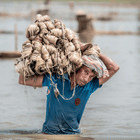
バングラデシュの主要ジュート栽培地域の一つであるファリドプール地区で、成熟したジュートを収穫する労働者たち。 バングラデシュのジュート収穫シーズン 7月から10月まで開催されます。
バングラデシュではジュートはいつ収穫されますか?
その バングラデシュのジュート収穫シーズン 主に 7月から10月 毎年、収穫のピークは8月と9月に集中します。この時期はモンスーンの暦によって決まります。ジュートの種は3月から5月の間に播種され、6月と7月の雨季のモンスーン期に成長し、完全に成熟した時点で収穫が始まります。トッサ種の場合は播種後通常100日から120日、ホワイトジュートの場合はそれよりやや長くなります。
バングラデシュでジュートが収穫される時期を知る これは、新穀繊維の入手可能性、その繊維の品質と長さ、そして収穫直後の数ヶ月間の原ジュート価格の動向に直接影響するため重要です。8月と9月の成熟期に収穫される新穀トッサジュートは、晩期または過剰保管された在庫と比較して、繊維の長さ、光沢、引張強度において一貫して優れています。 バングラデシュ産の生ジュート 10月から12月にかけての時期は、通常、年間で最も高品質で新鮮な繊維を入手できる時期です。
成長
収穫
整列と梱包
Biz Njpはダッカの工場で年間を通して操業しています。在庫状況、グレード、価格についてはお問い合わせください。
バングラデシュのジュート作物の収穫カレンダーを詳しく解説
その バングラデシュのジュート栽培シーズン follows a well-established agricultural calendar shaped by the subcontinent’s monsoon pattern. Here is a step-by-step breakdown of each phase and what happens to the fibre at each stage — knowledge that gives sourcing managers a clearer picture of why timing matters when they buy jute from Bangladesh.
Primary Jute-Growing Districts in Bangladesh
その バングラデシュのジュート栽培シーズン 繊維は、国の中央部と北部の特定の地域に集中しており、いずれも肥沃なガンジス・ブラマプトラ・メグナ川の氾濫原内に位置しています。繊維の品質は地域によって大きく異なり、最も価値の高いトッサBおよびスーペリアグレードは、主にファリドプール、ジェソール、タンガイルから産出されます。
ジュートの収穫期がジュート原価に与える影響
購入を検討しているすべての方にとって buy jute from Bangladesh ―原繊維、紡績糸、麻布、あるいは完成したジュート袋など―収穫カレンダーが価格にどのように影響するかを理解することは、商業的に最も価値のある知識の一つです。 バングラデシュにおけるジュート原綿の価格 概ね予測可能な季節パターンに従うが、作物の収穫量、降雨量の変動、政府の最低支持価格政策、世界的な需要の変動によって左右される。
| 期間 | 価格動向 | 供給条件 | 購買戦略 |
|---|---|---|---|
| 3月~6月(収穫前) | 高くなった/上昇中 | 在庫が減りつつあり、新穀はまだ入手できません。 | 可能であれば先物契約を締結し、現物購入は避ける。 |
| 7月~8月(早摘み) | 軟化 | 早期にカットされた繊維が市場に投入されるが、数量は限定的。 | 作物の収穫状況を監視し、製粉所との価格交渉を開始する。 |
| 9月~10月(収穫最盛期) | 年間最低値 | 新穀の供給量を最大化し、最高品質の繊維を入手可能。 | バングラデシュ産ジュート原木を大量に購入する最適な時期 |
| 11月~1月(収穫後) | 安定/上昇 | Good supply of graded bales; mills building inventory | Strong buying window before pre-harvest premium returns |
| Feb (Late season) | Rising | Stock tightening; next crop 4+ months away | Secure forward contracts or accept premium on spot lots |
Biz Njp accepts forward orders. Contact us to discuss pricing, grade availability and shipping schedule.
What the Harvest Season Means for Finished Jute Products
その バングラデシュのジュート収穫シーズン does not only affect buyers of raw fibre — it flows through the entire jute supply chain and has a measurable impact on the pricing and lead times for finished jute goods including yarn, hessian cloth, jute bags, jute sacks, FIBC liners and geo-textiles. Understanding this chain helps buyers of finished products plan their procurement calendar more effectively.
- Jute Yarn Pricing (October – December): New-crop fibre reaching mills in October triggers a lag of approximately 4–6 weeks before yarn pricing reflects the new input cost. Buyers of jute yarn from Bangladesh who negotiate and confirm orders in late October typically benefit from the seasonal softening in raw material cost before yarn prices re-stabilise.
- Hessian Cloth and Sacking Lead Times: The post-harvest production surge at Bangladesh’s jute mills means that October through December is the highest-output period for woven hessian and sacking cloth. Mill capacity is fuller but lead times are typically predictable and on-schedule — unlike the pre-harvest period when input stock variability can cause production disruptions.
- Jute Bags and Packaging Products: For buyers of finished jute packaging — shopping bags, sacks, wine bags, bottle carriers — and related products such as BOPP laminated woven sacks — the seasonal raw material cycle translates into a pricing advantage of approximately 6–10% for orders placed in Q4 versus Q2. At Biz Njp, we stock significant quantities of new-crop fabric across seasons to insulate our finished goods customers from the most extreme seasonal price swings.
- Fibre Grade Availability: Superior (SG) and Best (B) grade Tossa fibre is most freely available in the first 8 weeks after harvest — broadly October and November. Buyers requiring these premium grades for fine-count yarn or food-grade liner applications should prioritise Q4 purchasing or make advance arrangements with their Bangladesh supplier.
- Organic and Certified Jute: GOTS-certified organic jute is grown on a smaller acreage within the main harvest calendar. New-crop certified fibre is typically available from November — buyers should confirm certification lot availability with their mill well in advance of the season, as certified volumes are limited and allocated early.
Climate Variability and Its Impact on the Bangladesh Jute Harvest
No guide to the バングラデシュのジュート収穫シーズン would be complete without addressing the growing impact of climate variability on crop output and quality. Bangladesh is among the world’s most climate-vulnerable countries, and the jute growing season is increasingly susceptible to weather-related disruption that can affect both crop volume and fibre quality in ways that directly impact global buyers.
- Prolonged dry spells during the growing phase (May–July) force farmers to rely on irrigation, increasing production costs and reducing crop competitiveness. In 2025, Faridpur district — Bangladesh’s largest jute-producing region — reported irrigation costs surging by over 30% due to a prolonged dry spell and a falling groundwater table, squeezing farmer margins and contributing to price pressure on new-crop fibre.
- Excessive monsoon flooding during the harvest window can submerge standing crops before cutting, causing significant fibre quality loss. Flood-damaged jute plants produce fibre with abnormally high root content, dull colour and reduced tensile strength — which cascades into grade downgrades at the baling stage.
- Retting water quality is affected by flood timing: excessive rainfall can dilute retting ponds and rivers, extending retting duration and increasing the risk of over-retting, which weakens fibre structure and reduces yarn spinning efficiency.
- Early-season drought followed by late-season flooding — an increasingly common pattern under Bangladesh’s changing climate — produces the worst outcomes for fibre quality and buyer supply predictability. Buyers sourcing バングラデシュ産の生ジュート should monitor pre-harvest crop reports and build buffer stock accordingly.
Working with an established, vertically integrated jute supplier in Bangladesh like Biz Njp mitigates much of this risk. Our 品質管理基準 ensure that every bale we supply is moisture-tested, grade-verified and documented before leaving our Dhaka facility. We maintain covered bale storage with capacity to hold multi-season stock, source across multiple growing districts to average out local weather impacts, and provide advance notice to export customers when seasonal crop conditions are likely to affect pricing or grade availability. お問い合わせ to discuss how we manage seasonal supply risk for your specific product requirements.
Year-Round Supply · Biz Njp
How Biz Njp Ensures Consistent Supply Across the Jute Season
Many buyers discover — too late — that their Bangladesh jute supplier is a broker who purchases on the spot market and cannot guarantee availability or grade consistency outside the peak harvest window. Biz Njp operates its own jute spinning mill in Dhaka and purchases and stores new-crop raw jute fibre in volume each harvest season, ensuring that our export customers receive consistent grade quality and competitive pricing whether they are ordering in October or the following June. Our storage capacity, direct farmer and aggregator relationships in primary growing districts, and 30+ years of seasonal purchasing experience make us one of the most reliable jute suppliers in Bangladesh for year-round industrial buyers.
When Should You Place Your Order to Buy Jute from Bangladesh?
Based on over three decades of operating within the Bangladesh jute harvest season, Biz Njp recommends the following ordering windows for different buyer profiles. These are general guidelines — specific grade availability and pricing should always be confirmed directly with our team.
- New-crop raw fibre buyers (October – November): This is the optimal window to buy raw jute from Bangladesh at the intersection of peak quality and post-harvest price moderation. Superior and Best grade Tossa is freely available. Moisture and oil content are at their most consistent for the year.
- Jute yarn buyers (November – December): New-crop fibre reaches mills from late October. Yarn pricing reflecting the new input cost becomes available from November. Buyers negotiating annual supply agreements should initiate conversations in October for November–December price confirmation.
- Finished jute goods buyers (Q4 any year): Orders for jute bags, hessian sacks, woven cloth and consumer jute products placed in October to December benefit from new-crop fabric input pricing and are typically produced in the peak-output months of November to February — meaning strong lead time adherence.
- Forward contract buyers (August – September, pre-harvest): Sophisticated buyers willing to commit volume before the harvest is graded can negotiate pre-harvest forward contracts in August and September. This carries some grade and volume risk but offers the opportunity to lock in pricing at or near seasonal lows — particularly attractive in years where the crop is forecast to be smaller than average.
Our team advises on timing, grade, volume and shipping. No obligation — response within 24 hours.
Get a Custom Quote · 24-Hour Response
Source Raw Jute and Jute Products Direct from Our Bangladesh Mill
Biz Njp operates a vertically integrated jute production facility in Dhaka, Bangladesh — sourcing raw jute fibre direct from primary growing districts each harvest season and supplying raw jute, jute yarn, hessian cloth, jute sacks and custom jute packaging ヨーロッパおよび北米の産業バイヤー向けに年間を通して販売しています。特定のグレード、数量、仕向地に応じた最新価格をご希望の場合は、お問い合わせページからご要望をお送りください。24時間以内にFOBまたはCIFの見積もりをご提示いたします。

 English
  Spanish
  German
  French
  Dutch
Dutch  Portuguese
  Italian
  Chinese
  Japanese
  Bengali
  Swedish
  Russian