
Natural Fibre Materials: Types, Uses, and How to Choose
The Science and Sustainability of Plant and Animal Textiles

Ever wondered why a linen shirt keeps you cool on a sweltering day while another fabric feels sticky? The secret isn’t the brand or price tag; it’s the fibre’s origin in natural textile materials.
Every natural textile, from a cotton t-shirt to a wool jumper, belongs to one of two families: plant or animal. This basic distinction dictates a fabric’s unique properties, defining its feel, durability, and how you care for it. If you’re wondering what fabrics are natural, these are the key types of fibres you’ll encounter in modern ethical manufacturing.
Summary
Natural fibres fall into two families—plant (cellulose) and animal (protein). This origin drives how fabrics feel, perform, and should be cared for. Plant fibres split into seed (cotton) and bast (linen, hemp, jute), offering softness or strength, while animal fibres like wool and silk provide insulation or smooth filaments. Use our simple checklist—origin, purpose, care—to choose the right fabric for your next apparel collection.
Is Your Fabric From a Plant or an Animal?
The easiest way to make sense of natural fibre materials is to ask a simple question: did it come from a plant or an animal? This single distinction divides all textiles into two major families. Plant fibres, such as cotton and linen, are built from cellulose. In contrast, animal fibres like wool and silk are made of protein.
This core difference explains why protein fibres often require more delicate washing, and why natural fibres in textiles behave differently during wear and care.
Meet the Plant Family: From Soft Cotton to Strong Hemp
The unique feel and function of plant-based fibres come down to which part of the plant they came from:
- From the Seed: Cotton (soft, versatile, absorbent). This fluffy material protects the cotton boll, providing signature softness.
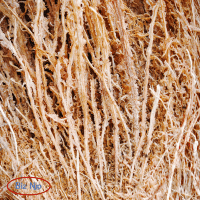
- From the Stem (Bast Fibres): Linen, Hemp, and Jute. These woody strands act as the plant’s skeleton, making them naturally strong and durable.
Meet the Animal Family: Cosy Wool and Lustrous Silk
Animal-based materials are built from protein. The most familiar is wool, which features a natural wave or “crimp” that traps air for insulation. Silk, conversely, is a secretion fibre. It is produced as a single, long filament, making it both incredibly smooth and the strongest natural fibre for its weight.
Sourcing Ethical Natural Fibres?
At Biz Njp, we specialize in high-quality production using Jute, Cotton, and Linen. Whether you need bulk packaging or apparel, we ensure ethical standards from fibre to finished product.
Why Linen Keeps You Cool and Wool Keeps You Warm
The physical shape of a fibre dictates heat management. Linen fibres are like tiny, hollow straws that allow air to pass through easily and wick moisture away from the skin. Wool does the opposite; its springy crimp traps air for insulation, while its ability to absorb dampness without feeling wet makes it perfect for moisture management.
Is “Natural” Always Eco-Friendly?
The term “natural” doesn’t always guarantee environmental safety. For example, conventional cotton requires significant water and pesticides. In contrast, Hemp and Jute grow densely with far less water and often no chemical intervention, making them fantastic sustainable alternatives to synthetics. At Biz Njp, we prioritize these low-impact materials in our manufacturing process.
Identifying and Caring for Natural Fabrics
You can often identify a fabric by sight. Linen features characteristic “slubs” (tiny irregular spots in the weave) and improves with age and washing. Wool requires a gentler touch; high heat causes protein fibres to lock together and shrink. Always opt for cold water and air drying for animal-based textiles.
A Simple Guide for Choosing Natural Fabrics
Use this 3-step checklist before choosing your materials:
- Origin: Is it a plant or animal? (Breathability vs. Insulation).
- Purpose: Do you need strength, softness, or warmth?
- Care: Are you willing to follow specific hand-washing or ironing requirements?

 English
  Spanish
  German
  French
  Dutch
Dutch  Portuguese
  Italian
  Chinese
  Japanese
  Bengali
  Swedish
  Russian